
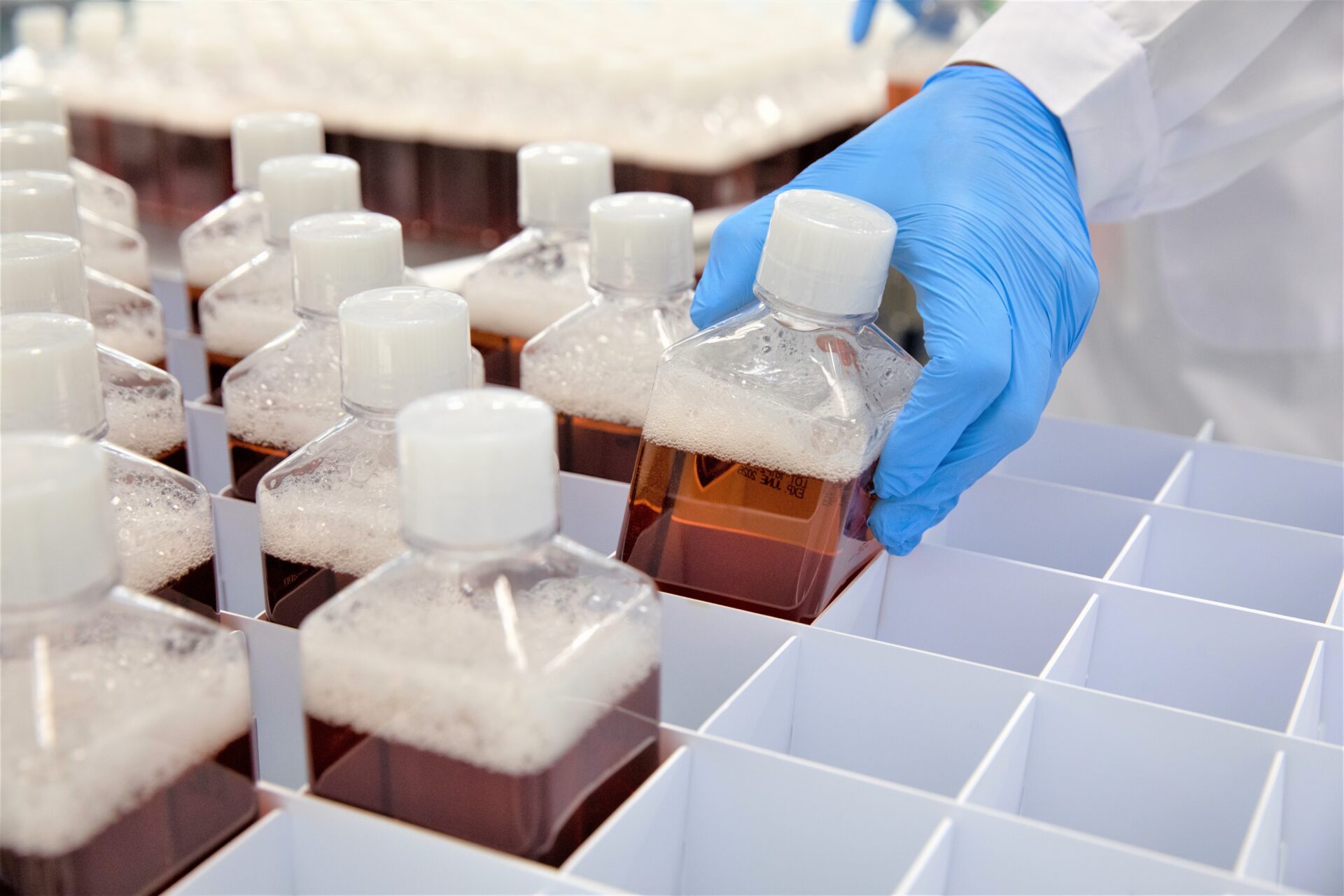
When the federal government shut down in 2025, the life sciences community faced an unexpected casualty: a flock of sheep at a National Veterinary Services Laboratories facility. For most, this seemed inconsequential. For biotech companies, contract research organizations, and academic labs nationwide, it exposed a critical vulnerability in the supply chain that no amount of inventory planning can fully solve.
The problem is fetal bovine serum (FBS)—a cornerstone ingredient in cell culture used by nearly every biopharmaceutical company. And it revealed a chilling truth: the regulatory system that controls FBS importation is operating at capacity limits, with no clear path to resolution.
The Hidden Chokepoint in Biotech Supply
Every batch of imported FBS must clear safety testing through the National Veterinary Services Laboratories (NVSL), which operates under USDA APHIS oversight. The testing process includes molecular assays for pathogens and a mandatory sheep bioassay—a live animal test required by federal regulation (9 CFR Part 113) to verify biological safety.
For decades, this system worked seamlessly. Labs planned shipments, NVSL cleared batches, and FBS arrived on schedule. But when the 2025 shutdown disrupted federal operations, it exposed something worse than temporary delays: a persistent shortage of sheep at NVSL that has not been resolved.
According to USDA APHIS official notices, the sheep shortage exists because of “limitations in maintaining the specialized animals required for regulatory testing.” In practice, this means the regulatory system cannot process FBS imports faster than its biological constraints allow. The shutdown made this visible. Six months later, it remains true.
Why This Matters: The Ripple Effect
Delayed FBS clearance creates cascading problems that hit where it hurts most: in regulatory submissions, clinical timelines, and competitive position.
- Late-stage research disruptions: A contract research organization midway through a GLP-compliant cell culture study cannot simply swap lots. FBS qualification is lot-specific. If a needed lot is stuck in NVSL testing, the study pauses.
- Regulatory risk: Cell and gene therapy companies racing to IND submission cannot absorb months of delay for a commodity ingredient. When FBS clearance slows, milestone dates slip.
- Manufacturing complexity: For GMP-level production, FBS qualification requires adherence to the protocol. Lot switching introduces validation risk and regulatory questions about process consistency.
- Competitive vulnerability: International competitors in the EU and Asia face no equivalent sheep shortage. For companies dependent on U.S.-sourced FBS, the regulatory bottleneck is a hidden disadvantage.
What makes this particularly concerning is that APHIS has not indicated when—or whether—sheep availability will improve. The agency is aware of the constraint, but without additional funding, facility expansion, or policy change, they’re operating at the ceiling of what they can test.
The 2026 Procurement Reality
As laboratory directors and procurement managers lock in supplier agreements for 2026, the conventional wisdom no longer applies. Standard vendor selection based solely on price, purity, and historical reliability misses a critical variable: regulatory clearance speed.
The best FBS in the world does a company no good if it’s sitting in a backlog. The strategic question now is: how do I build supply resilience despite a regulatory system that I cannot control?
This requires a shift in how organizations approach FBS sourcing. Rather than optimizing for just-in-time inventory and single-source relationships, leading labs are adopting a multi-lever strategy that balances regulatory risk, cost, and operational flexibility.
1. Diversify FBS sourcing across multiple regulatory pathways
USDA APHIS approves FBS imports from multiple regions when they meet pathogen testing and traceability criteria. You can verify approved origins using the APHIS import information portal. Each pathway has different testing queues and clearance timelines. A supplier with access to FBS from multiple approved origins can navigate around bottlenecks.
Action: Require suppliers to identify FBS sources from at least two distinct geographic regions, each pre-qualified under APHIS regulations. Request historical clearance timelines for each origin.
2. Establish direct visibility into NVSL testing status
Most labs rely on supplier notifications of lot clearance. A more sophisticated approach requires suppliers to provide real-time tracking of NVSL status, which lots are queued, which are being tested, and projected clearance dates.
Action: In 2026 contracts, mandate that suppliers maintain documented NVSL status for all active lots, with weekly updates available to procurement.
3. Frontload inventory using storage stability data
FBS remains viable at -20°C for years. Rather than purchasing monthly or quarterly, forward-thinking organizations are securing full-year volumes upfront—once a lot clears NVSL, they purchase the entire quantity needed for annual operations. This transforms a just-in-time model into a strategic reserve.
Action: Increase purchase order quantities to cover 9–12 months of expected usage when quotes are favorable, and NVSL status is clear. Document storage conditions and stability timelines in contracts.
4. Parallel-track defined media validation
Serum-free and chemically defined media have advanced significantly in recent years. While full migration is not practical for every assay, identifying which workflows can tolerate reduced serum provides insurance against FBS constraints.
Action: Allocate resources to validate defined media for 1–2 non-critical assays in 2026. Document cell behavior, growth kinetics, and consistency in comparison to serum-containing media.
One Lab’s Solution: Testing Multiple Lots Under Pressure
The strategic recommendations outlined above may sound theoretical, but they’re already being implemented by forward-thinking research teams at universities across the nation. Dr. LR Haines and his colleagues at the University of Notre Dame provide a concrete example of how systematic FBS testing and supplier partnership can deliver measurable results when regulatory delays threaten research continuity.
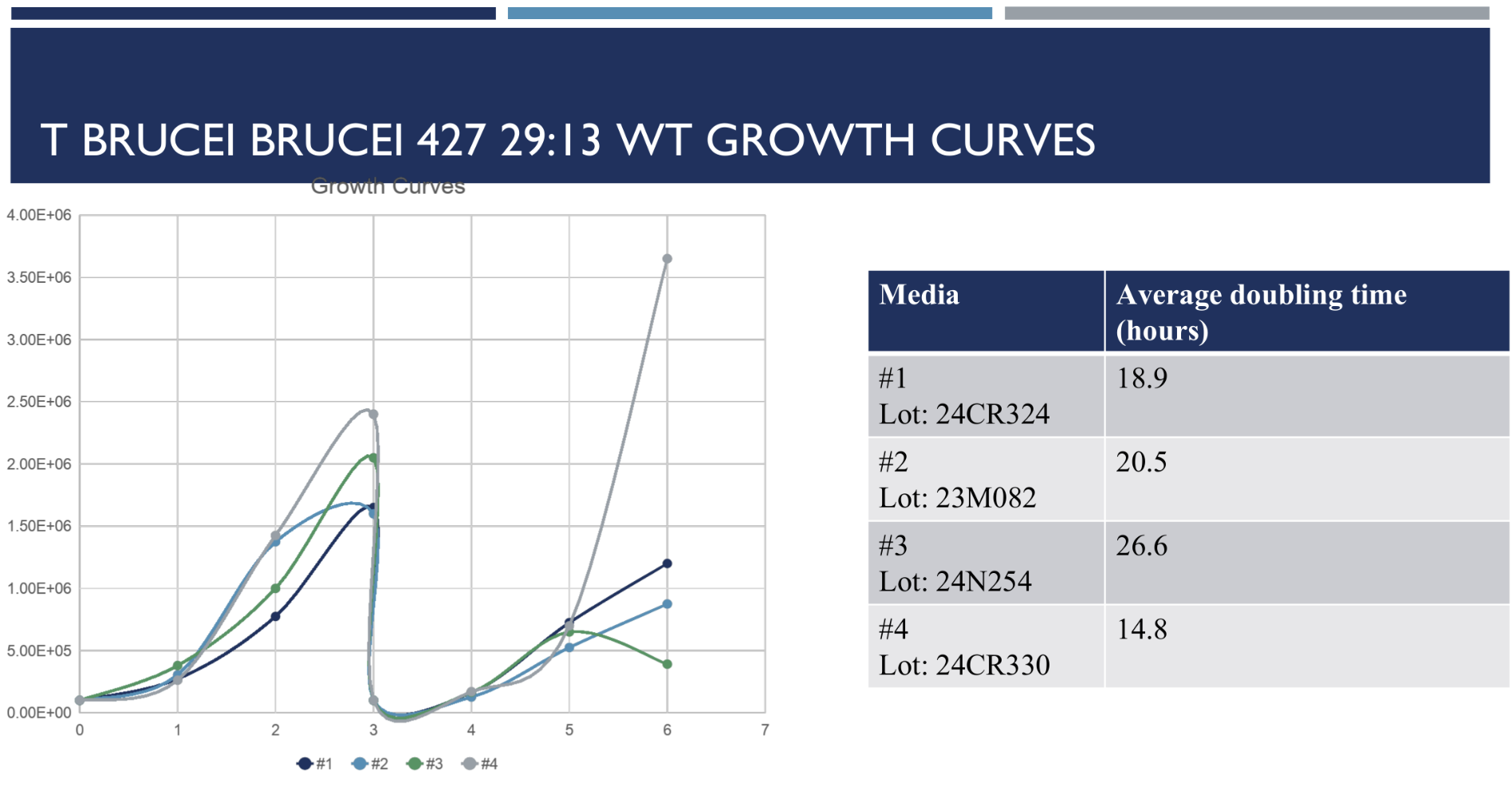
“In our lab, we culture a parasite called Trypanosoma brucei brucei and access to reliable, high-performing FBS is non-negotiable. If the FBS is substandard, our parasites will grow poorly and die. Out of the four SeraPrime lots we simultaneously tested, Lot 24CR330 delivered the fastest doubling time (14.8 hours!) which outpaced the other lots that ranged from 18.9 to 26.6 hours doubling time. The growth curves clearly show enhanced parasite expansion, with earlier entry into log phase and higher cell densities. This level of performance has directly improved the pace and reliability of our experiments.”
“For U.S. research labs operating under increasingly tight budgets, it’s more important than ever to make every grant dollar stretch. Affordable, high-quality reagents like SeraPrime’s FBS allow us to maintain scientific integrity without compromising on cost-effectiveness; this is a rare and vital combination.
Beyond product quality, our experience with SeraPrime has been exceptional. Their knowledgeable executive director took the time to understand our specific needs, proactively reserved the four lots for us while we tested how they would perform in our culture system and stayed in close contact as we navigated unavoidable delays in setting up a new culture facility. Their responsiveness, professionalism, and real-time technical support made us feel supported at every step.
In short, SeraPrime delivered exactly what research labs need right now: performance, affordability, and partnership.”
— LR Haines, University of Notre Dame
The Broader System Question
Individual organizational strategies can mitigate risk, but they do not solve the underlying problem: the regulatory testing infrastructure for FBS is undersized relative to industry demand. NVSL operates with the animal capacity it has. Without additional funding, facility upgrades, or policy shifts to reduce testing burden, the bottleneck persists.
This is ultimately a question for industry leadership and federal stakeholders. If the biotech ecosystem depends on a regulatory system operating at maximum capacity, that’s a systemic risk. Solving it requires investment, not just workarounds.
Some in the industry are exploring whether APHIS could accept alternative testing methods—such as cell-based assays—to reduce dependence on live animals. Others argue for private-sector contracted testing labs to reduce the federal burden. None of these solutions is imminent.
Moving Forward: Risk, Not Optimism
The 2025 government shutdown served as a stress test. When federal operations halted, the supply chain held—but barely. More importantly, it revealed that the constraint was never the shutdown itself. The constraint was, and remains, the regulatory system’s capacity to test and clear imports.
Lab directors and procurement leaders who ignore this in their 2026 planning do so at significant risk. Delayed FBS clearance is no longer a worst-case scenario. It is a realistic operational reality that organizations must actively plan around.
Those who act by diversifying sources, securing visibility into testing pipelines, increasing strategic inventory, and exploring alternatives will maintain continuity. Those who wait will face the familiar disruption that the shutdown exposed: supply continuity contingent on regulatory infrastructure they do not control, operating at full capacity with no margin for error.
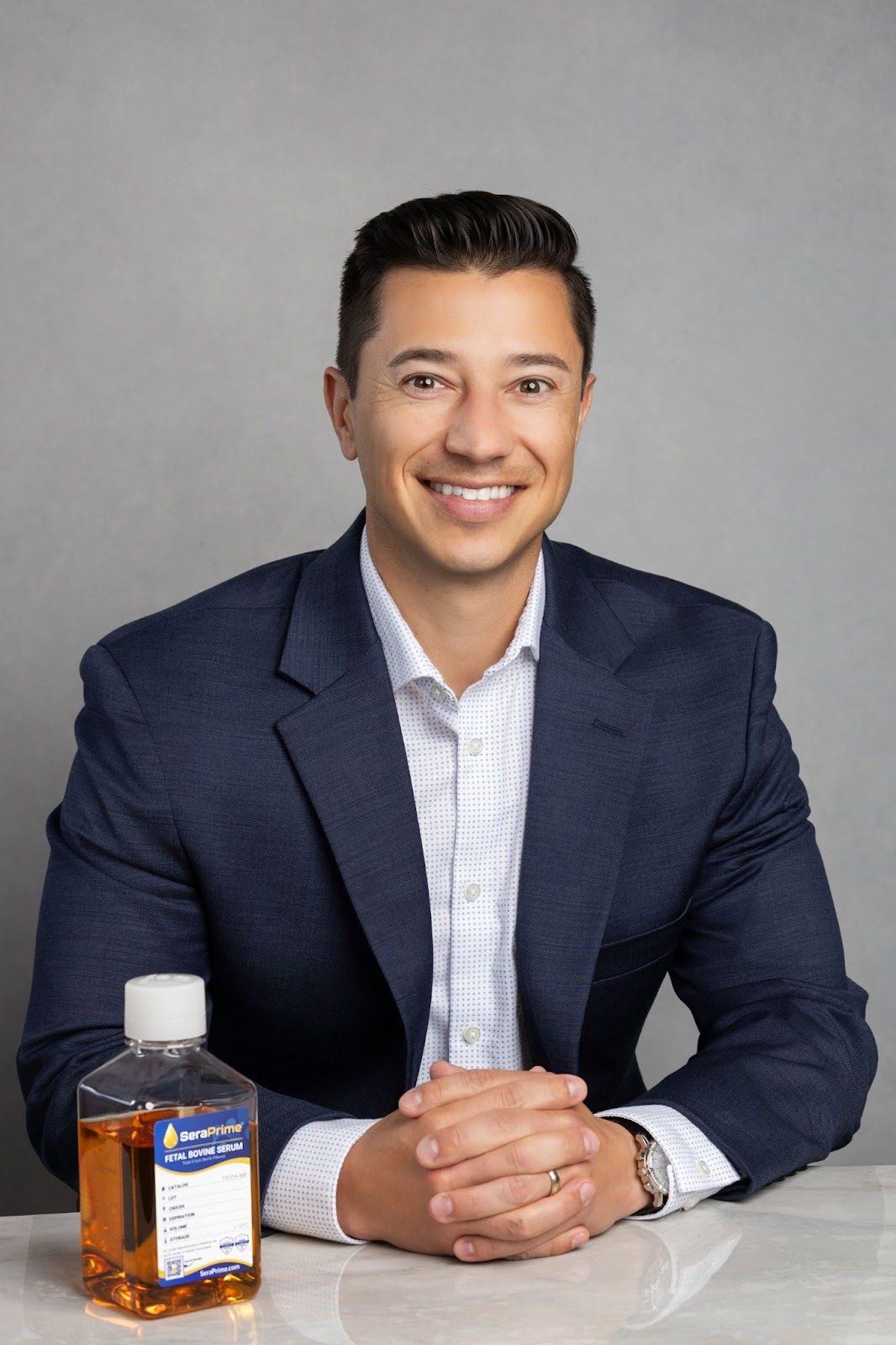
Who is Tom Kutrubes?
Tom Kutrubes is a biotech industry veteran and expert in biological sourcing, with over 20 years of experience in the life sciences global supply chain. Honored as one of the Top 40 Under Forty in Northern Colorado and Boulder Valley in 2019, he also holds three U.S. patents, reflecting his commitment to innovation and entrepreneurial spirit.
As the Executive Director of SeraPrime, Tom champions a business model that prioritizes agility, quality, and long-term relationships over sheer scale. His passion is to build long-term relationships and support the individualized needs of each customer. Throughout his career, he has held leadership roles as Partner, Founder, and Owner of several serum companies, building many from start-ups to medium-scale operations with facilities overseeing domestic and international supply. He also has a reputation for strategic procurement and a deep dedication to supporting advanced research within the Life Sciences field.